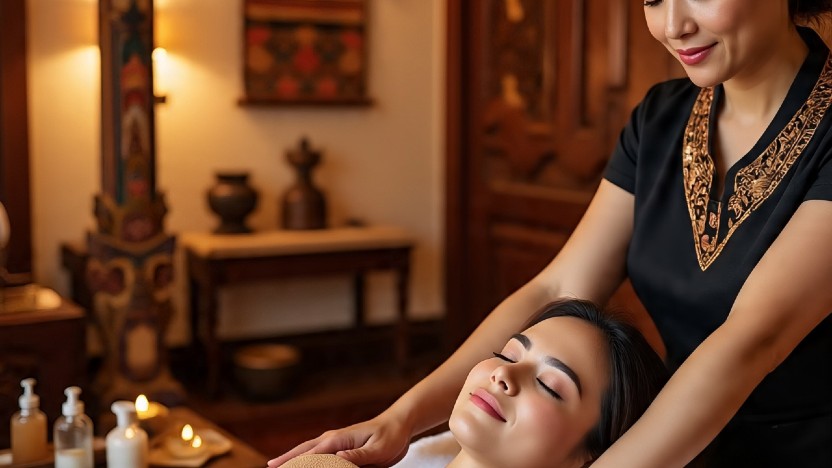
Aromatherapy Massage – A Touch of Relaxation with Nature's Scent
History of Aromatherapy Massage
Aromatherapy massage is the result of combining traditional massage techniques with therapeutic essential oils. The use of plant-based oils dates back to ancient Egypt, China, and India. The modern concept of aromatherapy was popularized in the early 20th century by French chemist René-Maurice Gattefossé. In Bali, aromatherapy massage gained popularity in the 1990s along with the rise of wellness tourism.
Benefits of Aromatherapy Massage
This massage offers dual benefits: physical relaxation from massage and emotional healing from essential oils. Main benefits include:
- Reducing stress and anxiety
- Improving sleep quality
- Relieving muscle tension
- Enhancing blood circulation
- Uplifting mood and calming the mind
Who Should and Shouldn’t Get It
Recommended for:
- Healthy adults
- Office workers under stress
- Tired travelers and homemakers
Not recommended for:
- Pregnant women (without doctor’s approval)
- People with allergies to specific essential oils
- Individuals with open wounds, infections, or serious health conditions
Ingredients Used
Commonly used essential oils:
- Lavender – relaxation
- Peppermint – refreshing, muscle relief
- Eucalyptus – clears breathing
- Lemon/citrus – energizing
- Carrier oils like almond oil or jojoba oil are used as the massage base.
How It’s Performed
The session begins with selecting the essential oil blend suited to your needs. The massage is performed with light to medium pressure, focusing on pressure points. Typically lasts 60–90 minutes in a peaceful spa room with dim lighting and soothing music.
Global Development
Aromatherapy massage is now a staple in spas worldwide, from luxury hotels in Europe to healing retreats in Japan and Australia.